Service Overview
Drainage Solutions for Turf in Little Elm
Little Elm's Blackland Prairie clay soils hold water, and North Texas thunderstorms deliver it in volume. Turf that looks sharp after installation and pools water after every rain is not a finished product — it is a base preparation problem that needs to be solved before the turf goes down.
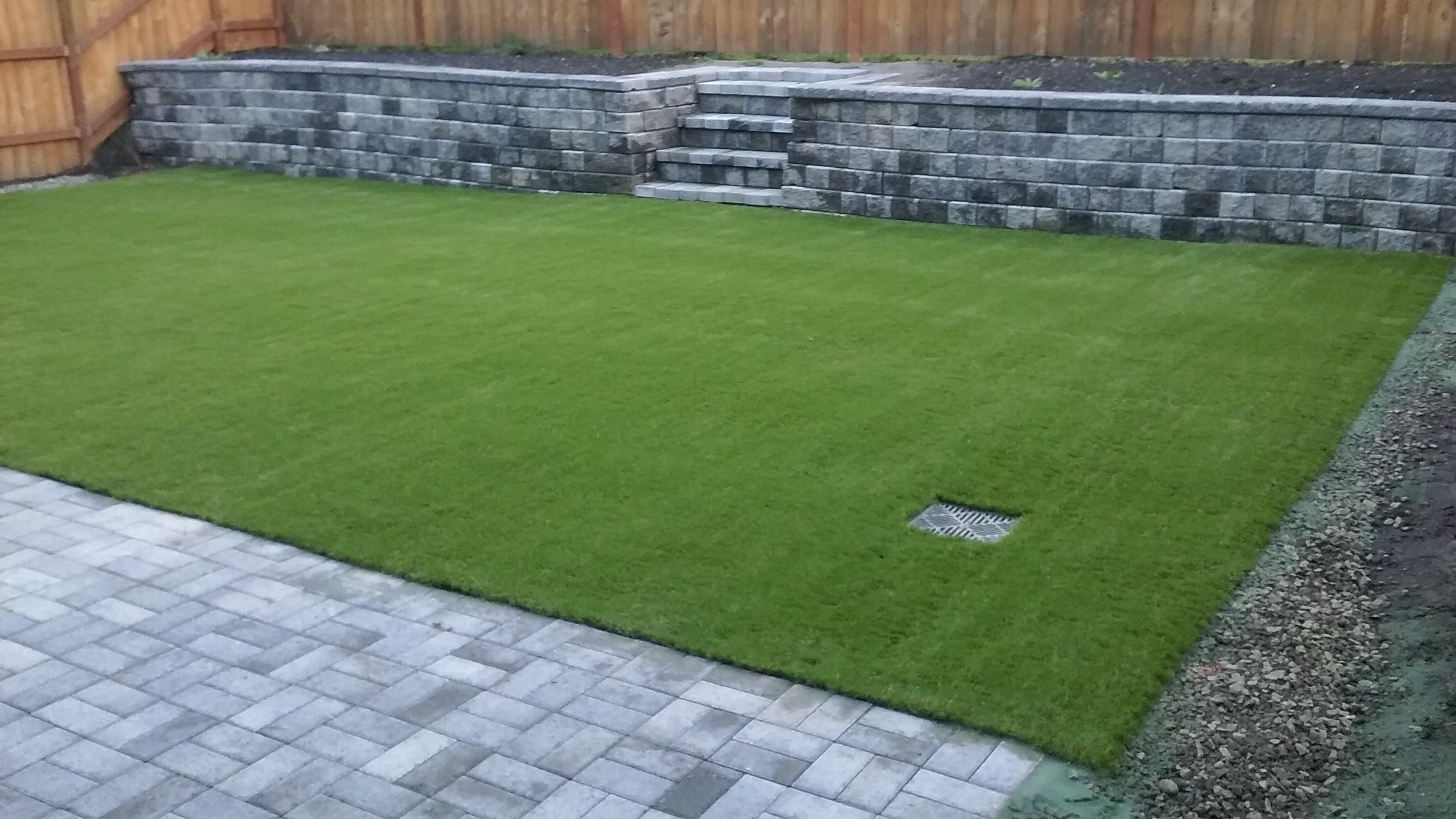
Drainage is the most commonly under-engineered element of synthetic turf installations in the Little Elm market. The Blackland Prairie clay that underlies most of Little Elm, Cross Roads, and Hackberry absorbs water slowly and holds it for extended periods after heavy rain events. When aggregate base preparation does not account for this, the perched water table under the turf creates surface pooling that can persist for 24 to 48 hours after a significant storm. This is the most common complaint from homeowners who have had turf installed by contractors who treat drainage as a secondary concern.
Turf Installation of Little Elm approaches every project as a drainage design exercise before it becomes an installation project. We assess natural grade, confirm drainage direction, identify low points that will concentrate runoff, and design the aggregate base to move water through the backing and into the soil at a rate that matches the property's rainfall exposure. On clay-dominant lots, we sometimes recommend a sand-amended sub-base layer or French drain integration to ensure the system can handle a 2-inch-per-hour rainfall event without surface pooling.
For properties adjacent to Lake Lewisville or in flood-adjacent communities like Lakeside, drainage engineering during turf installation is not optional — it is code-relevant and directly tied to property value. We document drainage direction and base specification in our project plans so homeowners have a record of what was installed and why.
Drainage retrofits for existing installations that are pooling are also within our scope. We assess whether the issue is in the backing, the aggregate base, or the perimeter grading, then recommend the minimum remediation that solves the problem without requiring full reinstallation when that can be avoided.
Where This Work Delivers Value
Clay Soil Drainage Design
Aggregate base specification and depth designed for Little Elm's Blackland Prairie clay. We confirm drainage rate capacity against rainfall intensity before installation.
French Drain Integration
For lots where natural grade cannot shed water fast enough through the aggregate base alone, we integrate French drain systems during turf installation to manage runoff volume.
Drainage Retrofit Assessment
Diagnostic service for existing turf installations that are pooling or draining slowly. We identify root cause and recommend minimum remediation scope.
Project Benefits
Surface Usability After Rain Events
Properly engineered drainage means your turf is usable within an hour of a typical storm, not pooling for a day and a half.
Base Stability Over Time
Clay soil that is constantly saturated under a poorly drained aggregate base will shift and settle. Correct drainage design maintains base stability and prevents surface irregularities.
Documented System for Future Reference
We document drainage direction, base depth, and system components in our project records so property owners have a reference for maintenance and any future work.
Execution Process
- 01
Drainage Assessment
We map natural grade, identify low points and drainage direction, and assess soil permeability to determine what base specification is required.
- 02
Drainage Design
Aggregate depth, sub-base amendment, perimeter grading, and French drain integration are specified based on the drainage assessment.
- 03
Base Installation with Drainage Integration
Base is installed to specification with drainage slope confirmed before turf placement. Any supplemental drainage systems are installed in coordination with base preparation.
- 04
Drainage Confirmation
We confirm drainage performance with a water test before the project is closed out. Documentation is provided to the homeowner.
Frequently Asked Questions
How do I know if my turf has a drainage problem?
Surface water that pools for more than 30 minutes after rain, soft or spongy spots in the turf, and odor development in wet weather are all indicators of a drainage issue in the base or backing.
Can drainage problems be fixed without replacing the turf?
Sometimes. If the issue is in the perimeter grading or an isolated low point, we can address it with targeted excavation and base correction. If the backing has become clogged or the base was severely under-prepared, more extensive work may be required.
Do you design drainage systems for lake-adjacent properties?
Yes. Properties near Lake Lewisville require careful drainage design to avoid directing runoff toward the lake in ways that violate municipal stormwater requirements. We coordinate design with local requirements.